Two inches wide is the standard for nearly every roll of packing tape sold today. Most people show up to buy tape without knowing that one number decides whether it fits the dispenser they already own.
Packing tape comes in a few real types, one dominant width, and two very different dispenser styles. Here is how to pick the right roll and use it correctly the first time.
Packing tape width: why 2 inches dominates
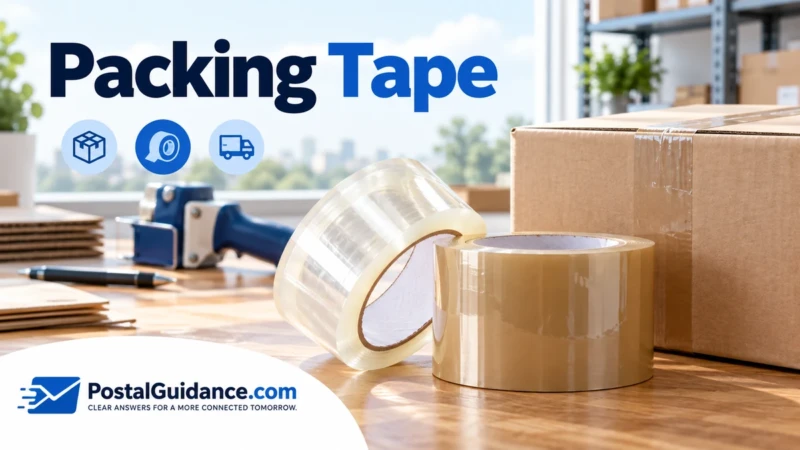
Two inch wide tape is the standard across corrugated boxes, poly mailers, and moving cartons. Nearly every handheld and tabletop dispenser is built around that exact width.
Wider 3 inch tape shows up mainly in industrial and heavy duty dispensers used for high volume shipping. A home shipper or small seller almost never needs anything wider than 2 inches.
The three packing tape types
| Type | How it works | Best for |
|---|---|---|
| Acrylic | Clear, pressure sensitive, holds up to temperature swings | Everyday shipping, long storage |
| Hot melt | Rubber based adhesive, very strong initial grip | Cold environments, quick sealing |
| Water activated | Gummed tape sealed with a wet sponge, bonds to the box itself | Tamper evidence, permanent seals |
Acrylic is the standard choice most sellers reach for by default. Water activated tape costs more and requires a dispenser built for it, but it cannot be peeled off cleanly, which some sellers use specifically to show a box was not opened in transit.
Handheld tape guns versus tabletop dispensers
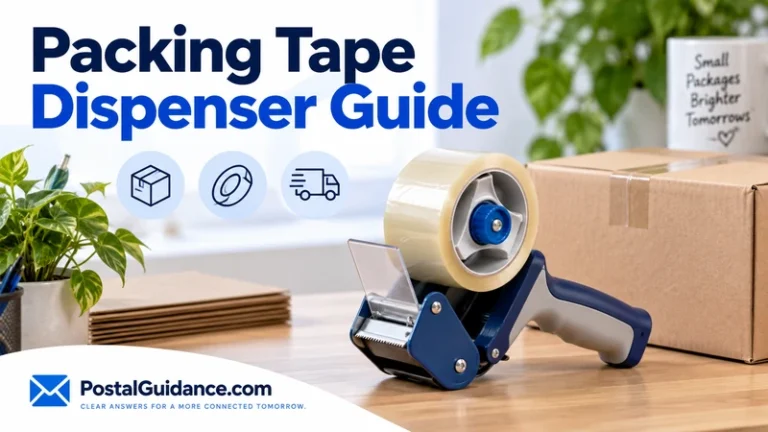
A handheld tape gun is the standard tool for most individual sellers and small operations. It works on any box shape and size and needs no counter space.
Tabletop dispensers speed up sealing when the same box size runs through repeatedly. They show up mostly in warehouses and higher volume shipping setups rather than home based operations.
How much tape a box actually needs
The H pattern covers most boxes: one strip down the center seam, then one strip across each end flap. Heavier or larger boxes benefit from an extra strip around the middle for reinforcement.
Skipping tape on the bottom seams is a common mistake that leads to boxes splitting open under weight. Seal both the top and bottom the same way every time.
Loading and using a tape dispenser
Threading a tape gun correctly is the single biggest source of frustration for first time packers. Our full guide to loading a packing tape dispenser walks through the exact steps for both handheld and tabletop styles.
A dull or misaligned blade tears the tape instead of cutting it cleanly. Replacing the blade is usually cheaper and faster than fighting with a worn one.
Where to buy packing tape
Office supply stores, home improvement retailers, and shipping specialty stores all carry standard 2 inch acrylic tape. Bulk suppliers like Uline sell by the case at a lower cost per roll for anyone taping boxes regularly.
Our full comparison of the best tape for mailing packages covers specific brand recommendations by use case.
Frequently asked questions
What width should packing tape be?
2 inches, the standard width used by nearly every box and dispenser. Wider 3 inch tape is mainly an industrial option most home shippers never need.
What is the best type of packing tape?
Acrylic tape suits most everyday shipping and holds up across temperature changes. Water activated tape is the stronger, tamper evident option for anyone who needs proof a box was not opened.
How much packing tape does a box need?
An H pattern strip down the center seam plus one across each end flap covers most boxes. Heavier boxes benefit from an extra reinforcing strip around the middle.
Do I need a tape gun or can I use tape by hand?
A tape gun speeds up sealing and applies more even pressure, but tape works fine applied by hand for occasional shipping. Frequent shippers get the most benefit from a dispenser.
Why does packing tape sometimes not stick?
Cold temperatures weaken acrylic tape’s grip, and dusty or damp box surfaces prevent a clean bond. Hot melt tape handles cold environments noticeably better than standard acrylic.
The bottom line
Two inch acrylic tape covers the vast majority of shipping needs, and matching the tape type to your environment solves most sealing problems. A properly taped box protects the item just as much as the box itself does.
Pair the right tape with the right container. See our full guide to shipping boxes for sizing and strength ratings.